Tampilkan postingan dengan label Mazda. Tampilkan semua postingan

Mazda MX 5 2010 Great Car Model

2010 Mazda MX-5 Miata Grand TouringMazda MX 5 Wallpaper

The Mazda Miata has been around so long that it might seem that everything that could be written about it already has. If you think so, stop reading here. On the other hand, as much as the Miata has stayed the same over the years, it also has changed. And as much as it has changed over the years, it also has remained the same. At the root of it all is Miata's vaunted "oneness of horse and rider" concept it has pursued since the first of these roadsters debuted in 1989. It's a contention we find difficult to contradict, as does America, the market for which Mazda's roadster was originally developed.

2010 Mazda MX-5 Miata Grand TouringMazda MX 5 Photo

Mazda did so in the first generation by pointing the air intake at the firewall, basically aiming a trumpet at the driver. It worked, at least from a sports car sound standpoint, but it required pulling in hot underhood air into the engine intake, which is bad for performance. For 2009, Mazda decided to bring in cooler ambient air for more consistent performance, ducting it from the front of the car. But that reduced the amount of the intake sounds heard by the driver. To recover that, Mazda experimented with reverberation chambers attached to the intake system and aimed that at the Miata's firewall.

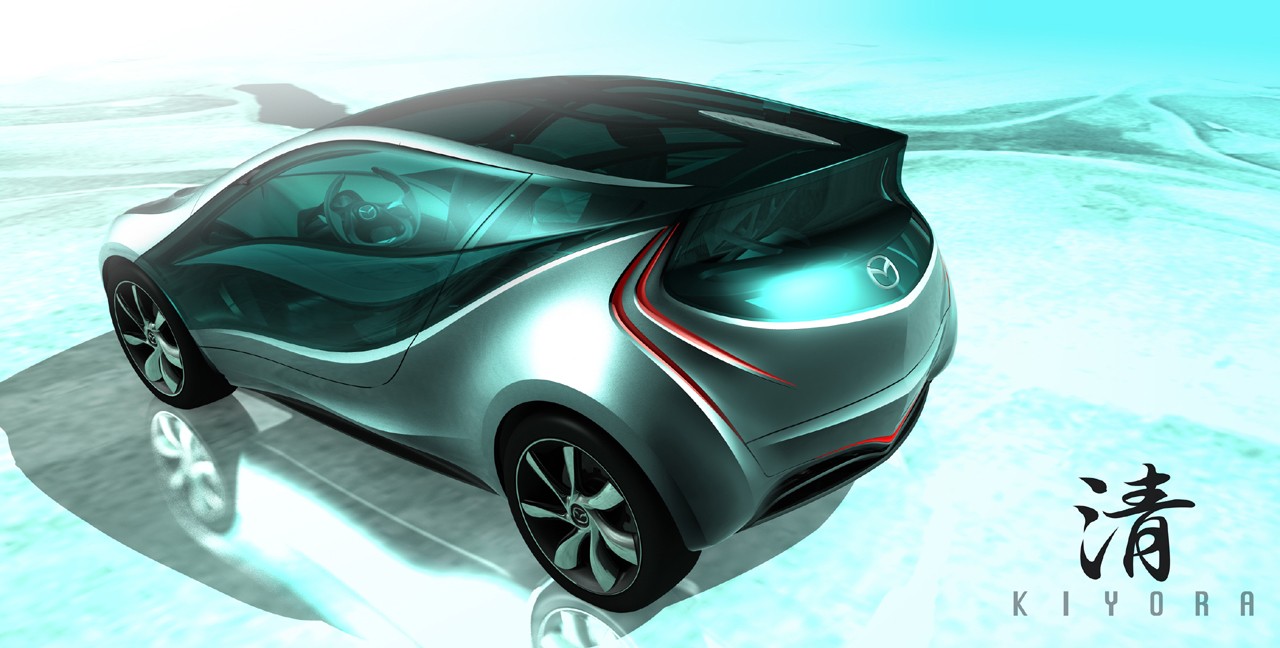
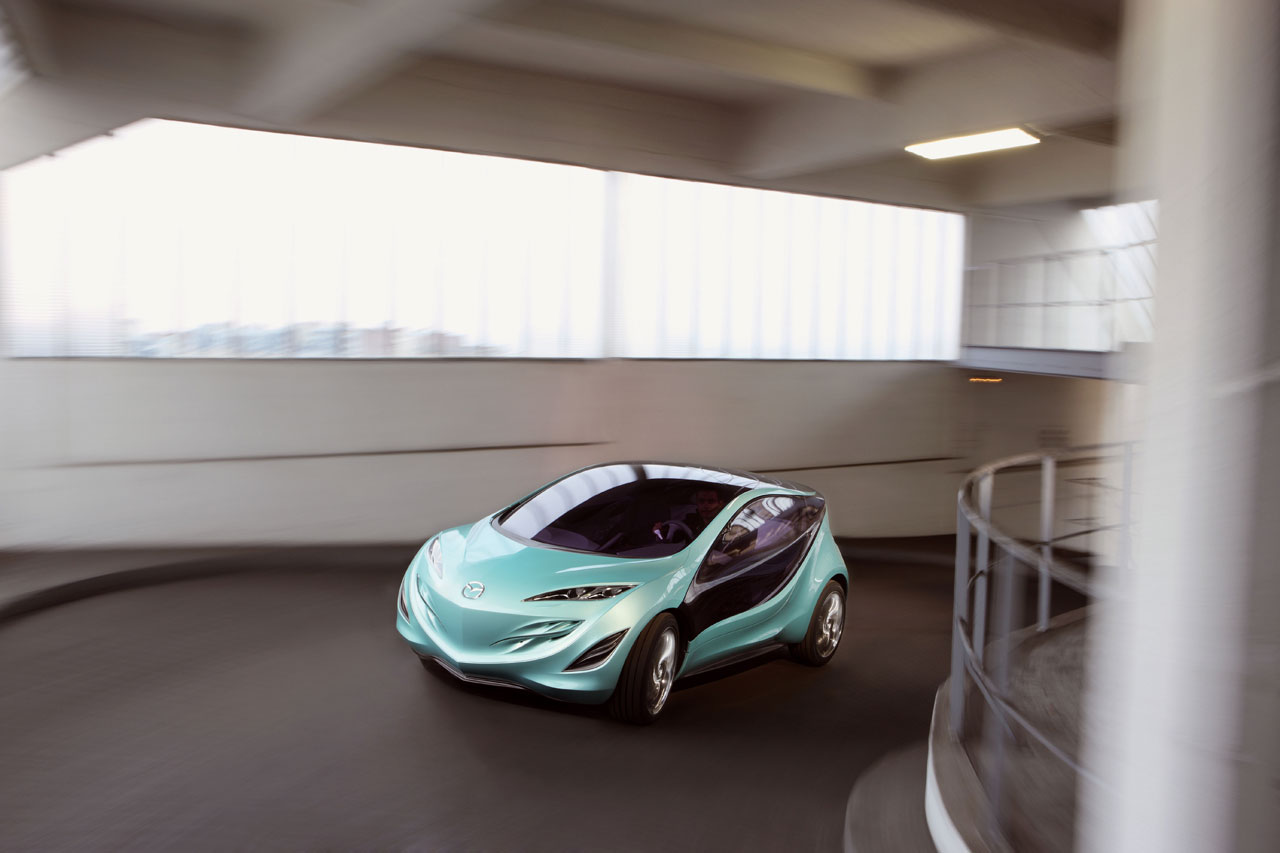
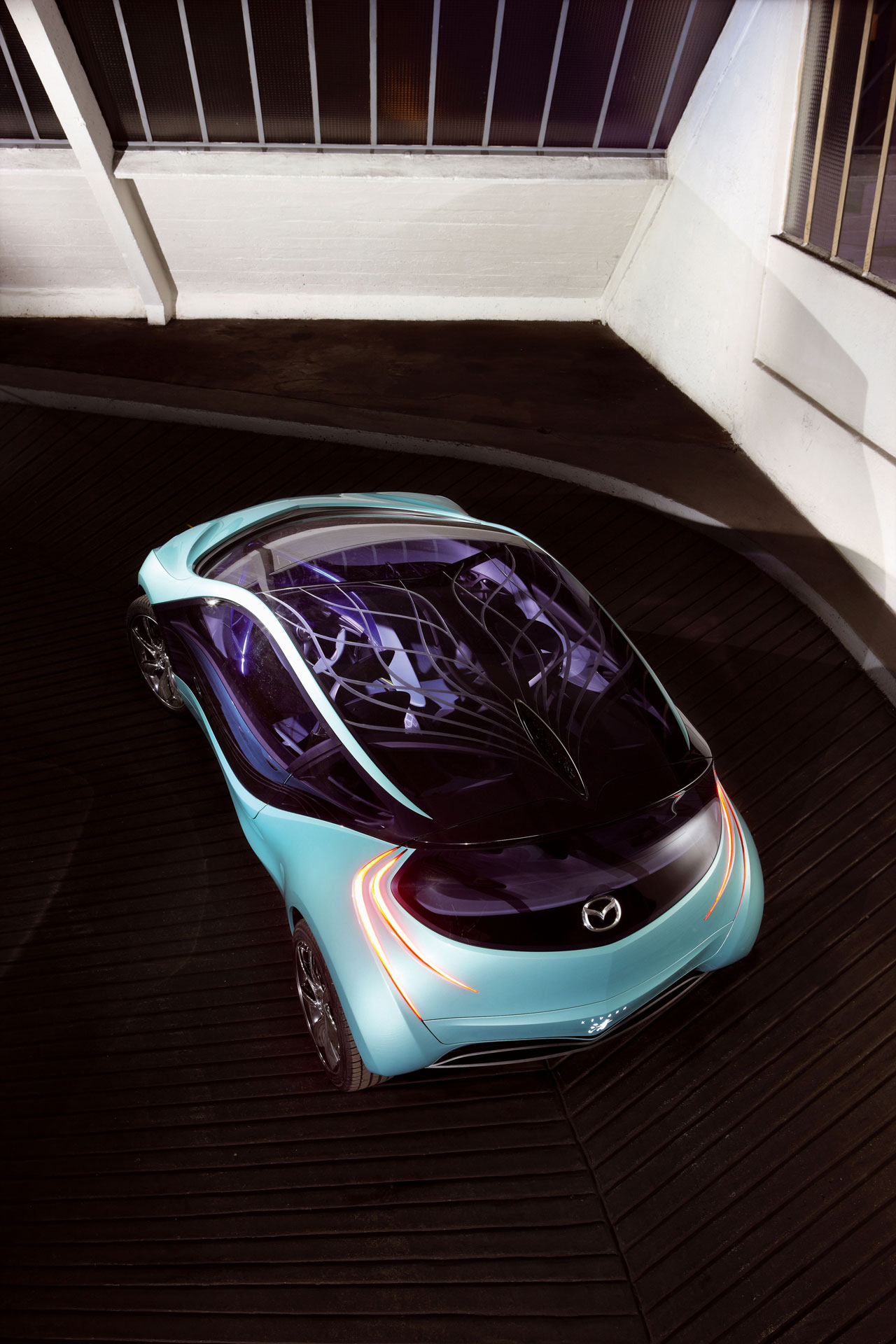
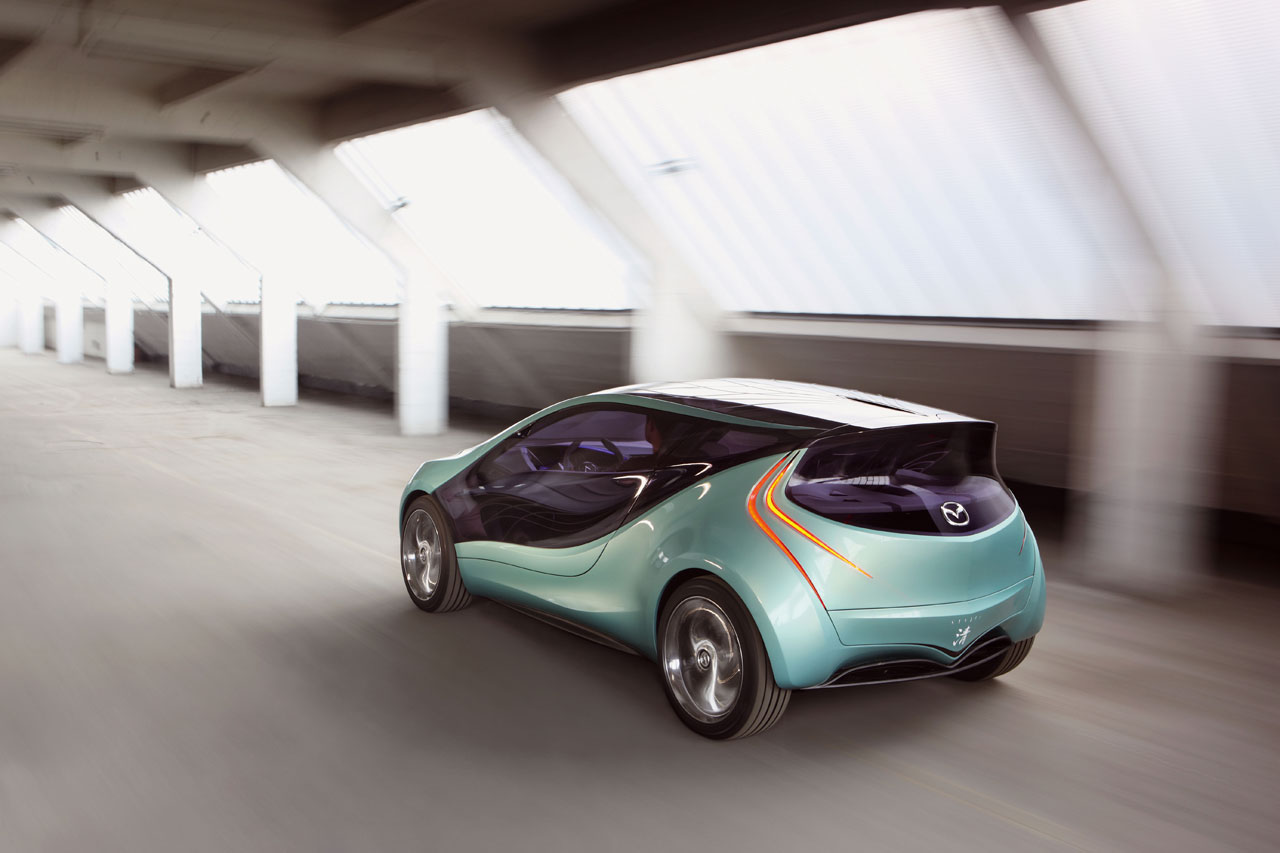
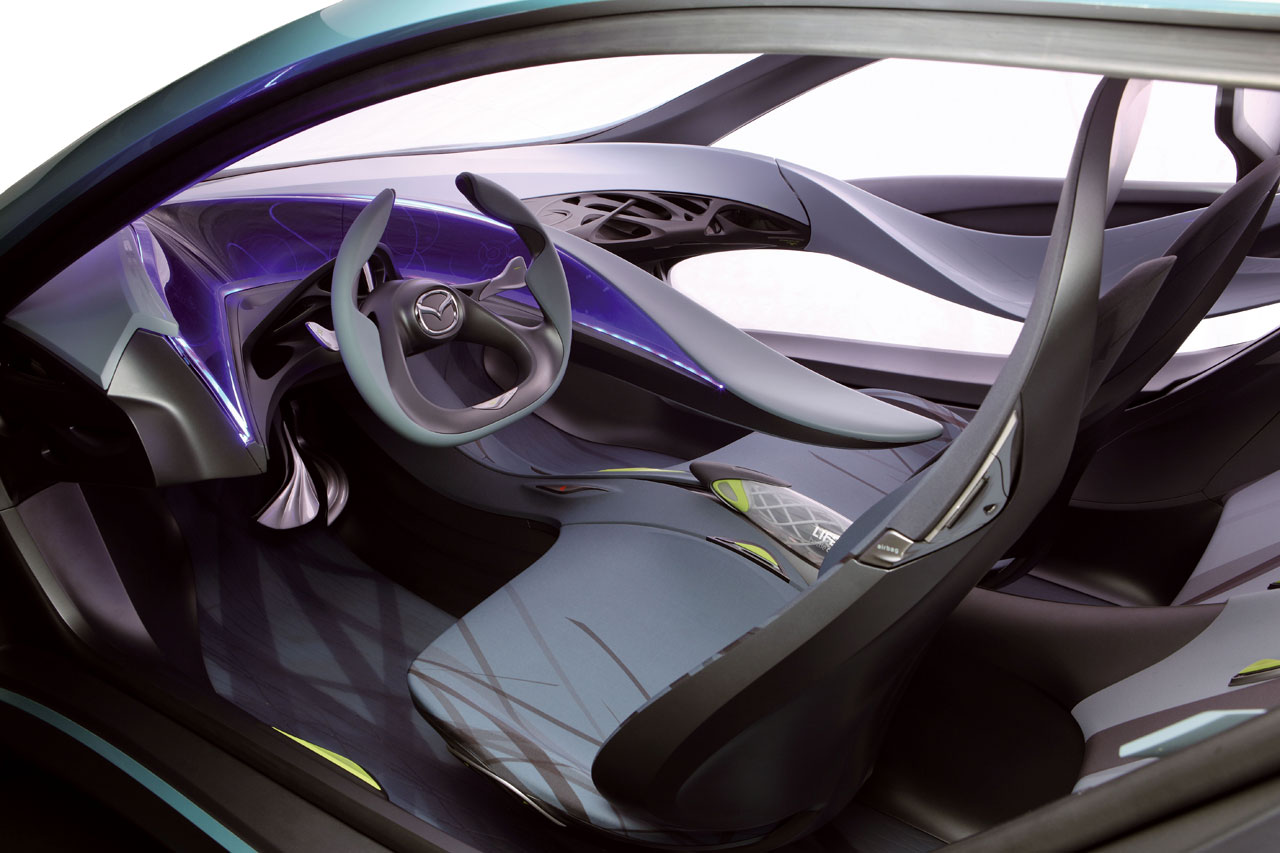
Mazda taiki concept

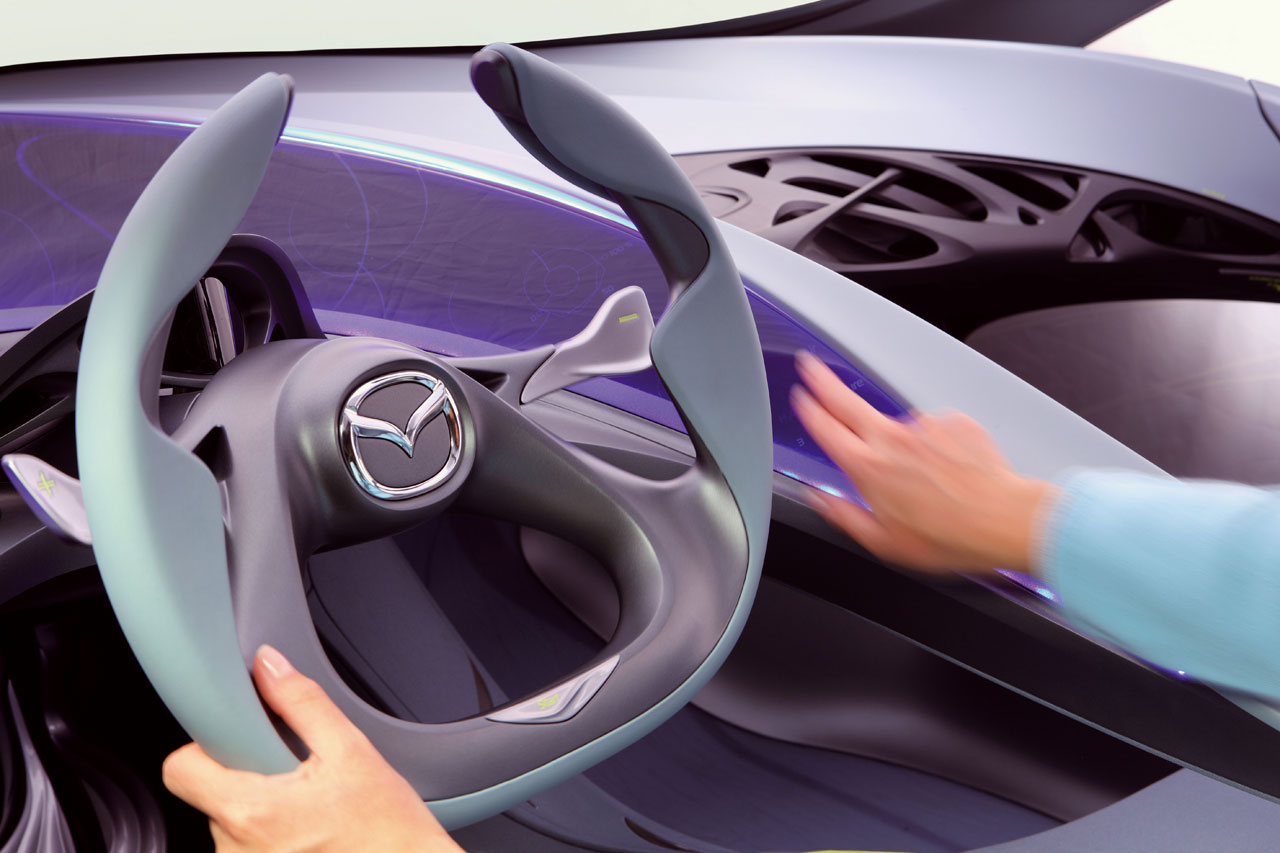
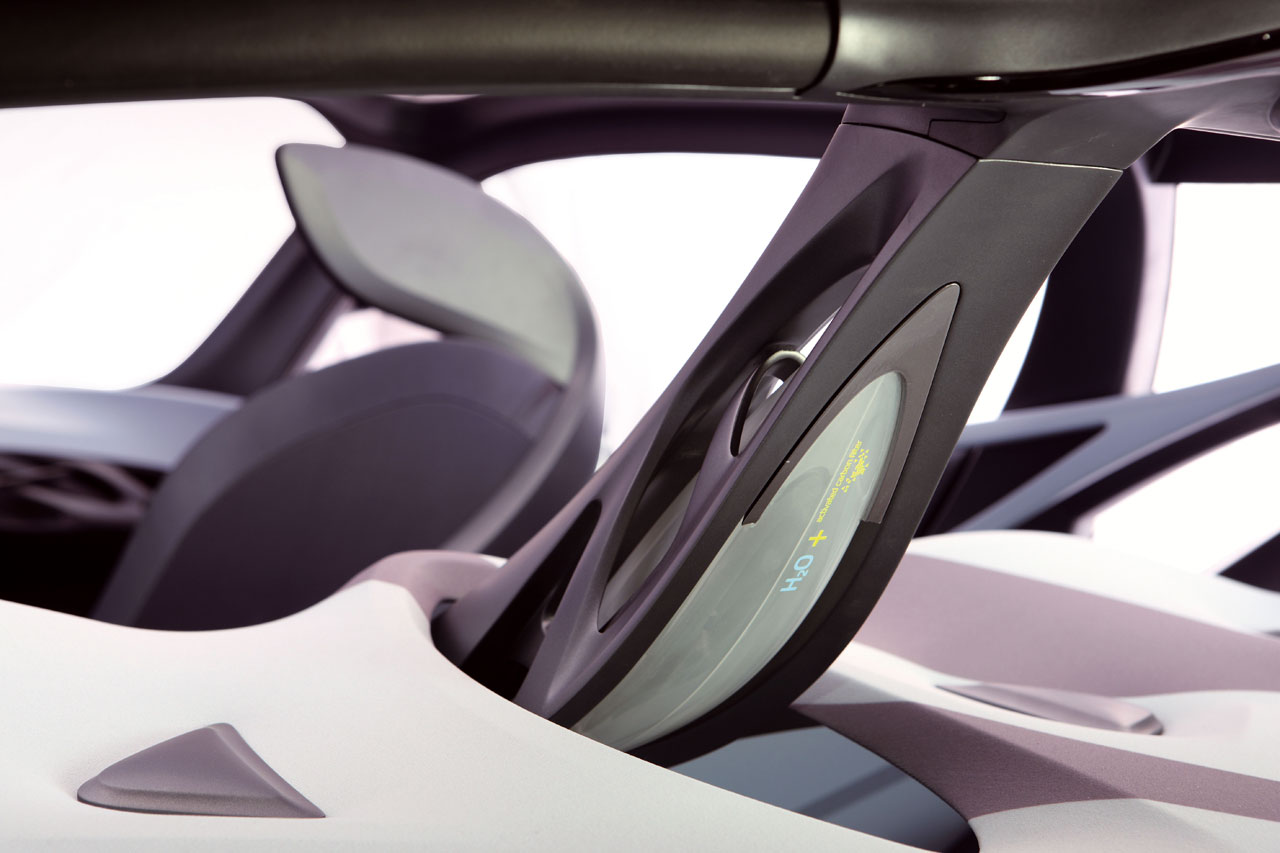
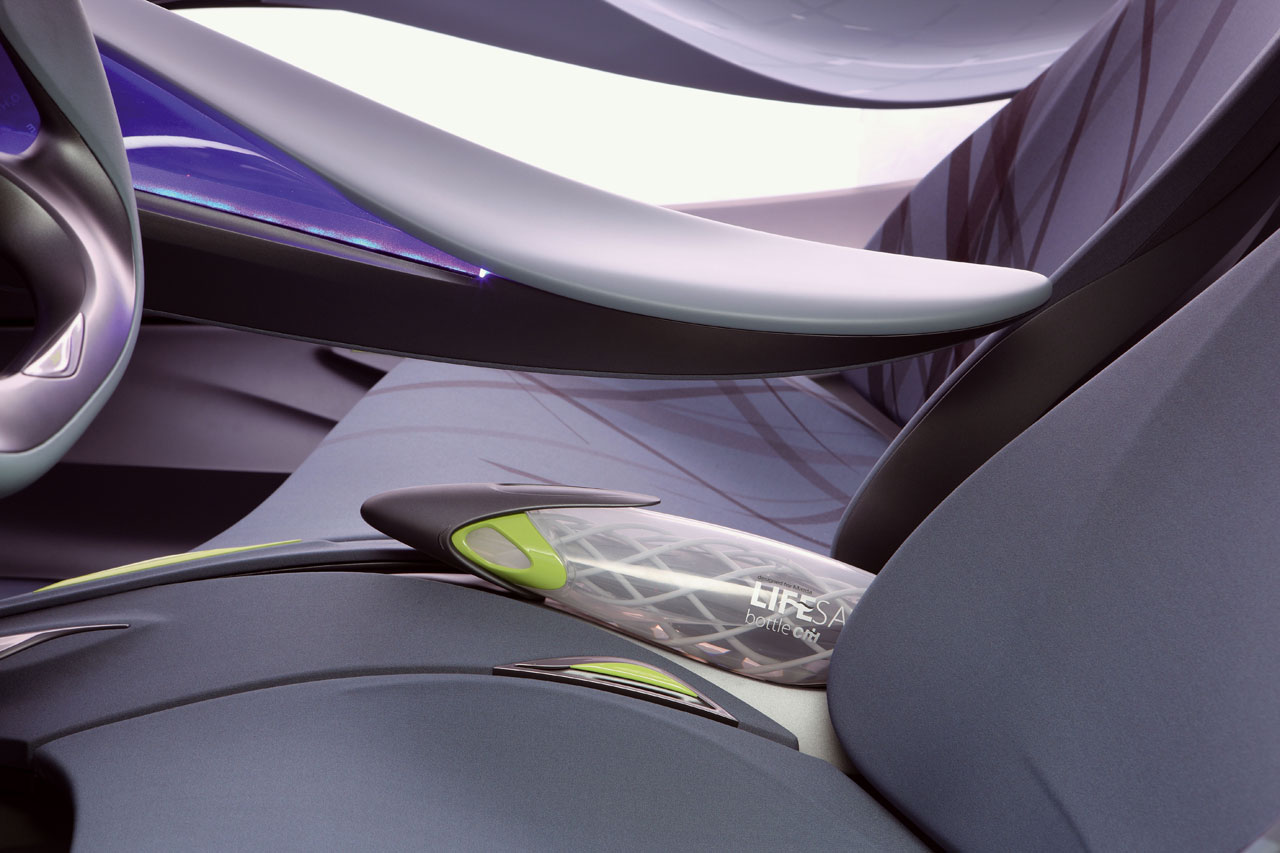
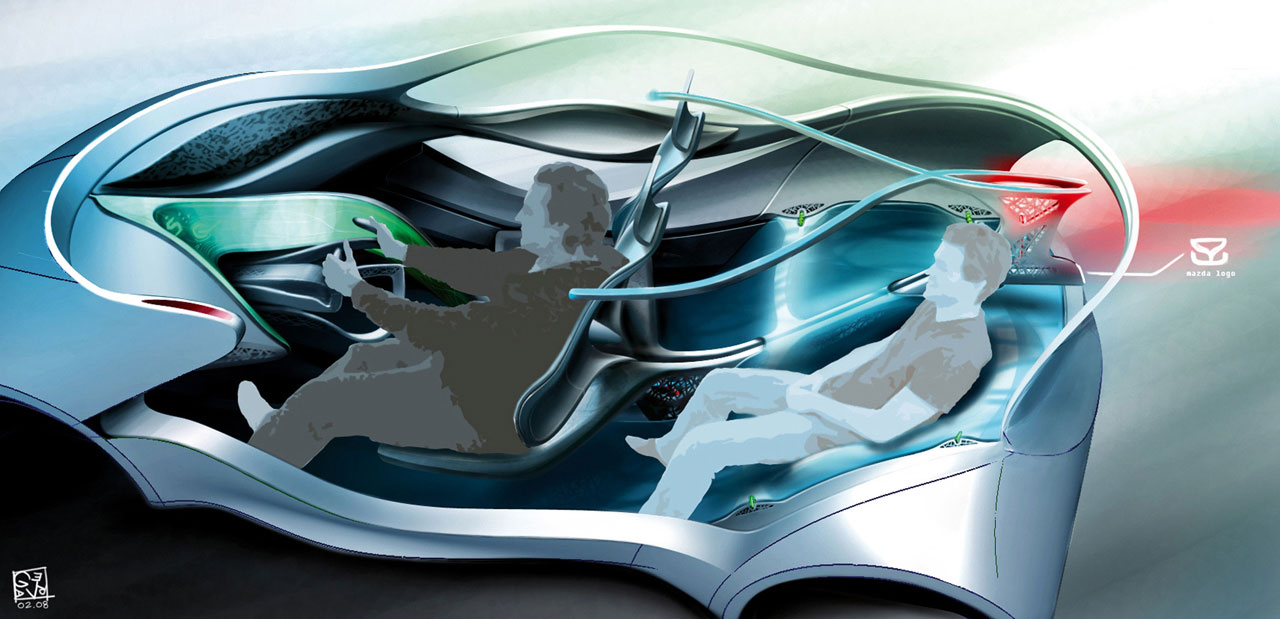
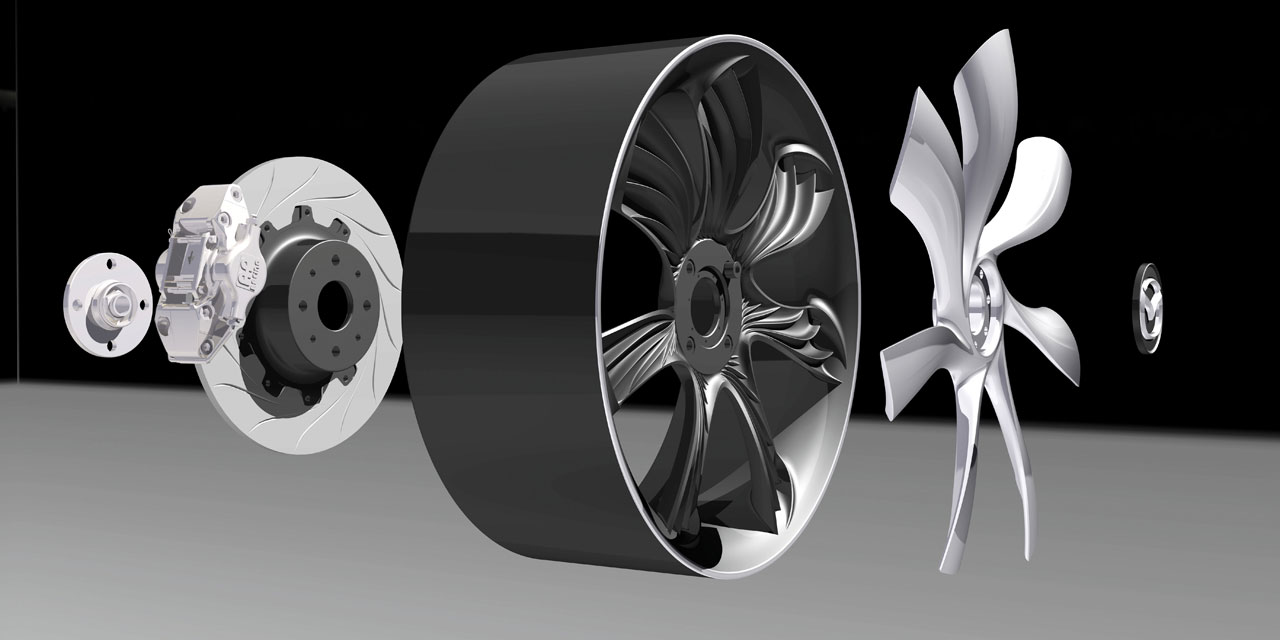
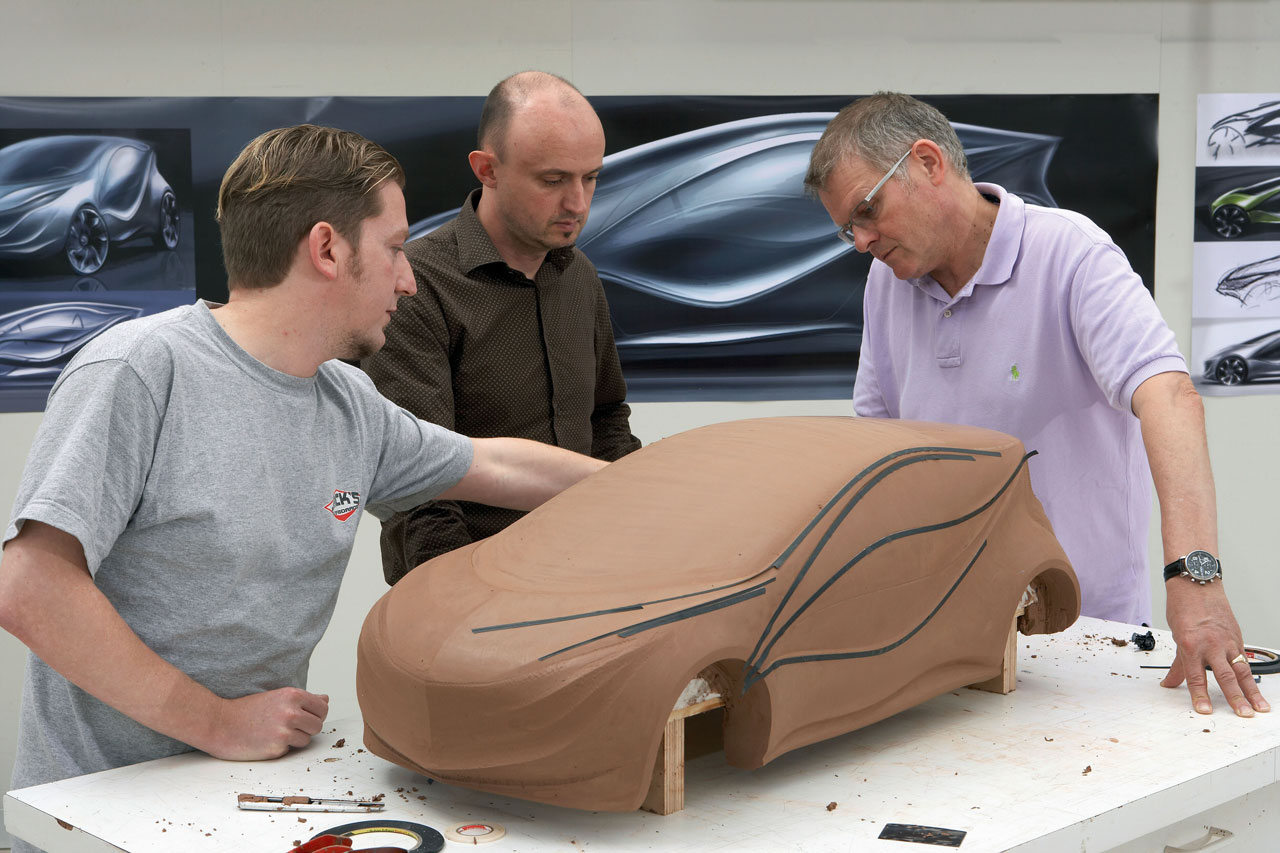
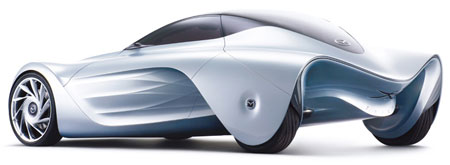
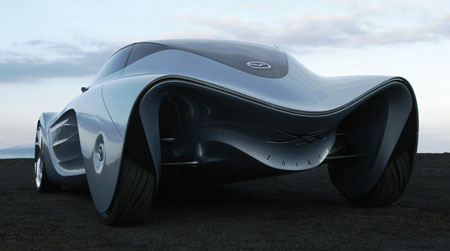
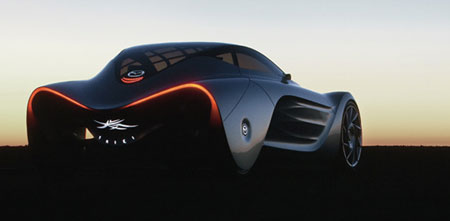
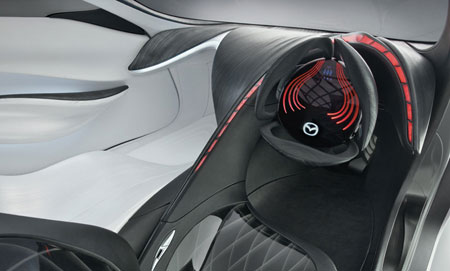
Mazda’s latest series of concept cars seem like odd organic cars that do not look like it may make it’s way into production form anytime soon, and the latest is the Mazda Taiki concept which continues to follow the Nagare theme established with the first car in the new concept line, the Mazda Nagare. Nagare means flow, and Mazda turned to nature for inspiration - using cues from natural flow lines all around us - shapes in sand dunes etched by the wind, ocean waves, lava flow down a volcano, and etc. All three design centers - US, European and Japan contributed to this series of concepts, with cars like the original Nagare coming from the US-based design center and the Mazda Ryuga from the Hiroshima Design Center in Japan. The Mazda Hakaze design concept came from the European Design Center. The Mazda Taiki is the fourth in the series, and this one comes from the Hiroshima Design Center team led by Chief Designer Yamada Atsuhiko. Every concept car represents a different segment of future cars, for example the Mazda Ryuga was envisioned as a future compact car. The Mazda Taiki points to a possible future design direction for Mazda sports cars. The stretched coupe has short overhangs and its interior has a liberating and free feel to it thanks to an all-glass canope. It has a drag coefficient of 0.25 and zero lift. Air is channeled through the front fender via a tunnel formed between the body and the rear fender - this creates downforce. This design concept is also used to unveil some technical goodies. The 2-seater Mazda Taiki is conceptually powered by the next generation RENESIS rotary engine engine called the RENESIS 16X. The engine will be mounted at the front and will power the rear wheels, a proven formula for a sports car. More details on that engine will come in a later post, but you’ll be pleased to know that Mazda is the latest manufacturer to jump on the twin clutch bandwagon. The RENESIS 16X engine will be mated to a 7-speed dry twin clutch transmission. Suspension is a double wishbone setup for both front and rear, and the car rides on 22 inch Enkei wheels wrapped with Yokohama Advan Super-E spec Prototype 007 tyres in 195/40R22 size. As for dimensions, the Mazda Taiki is 4620mm long, 1950mm wide, 1240mm tall and has a wheelbase of 3000mm.